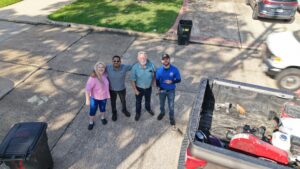

Choosing a roofer is one of the most important decisions you can make when repairing or replacing your roof. Your roofing system protects your home from rain, wind, heat, and other weather conditions, so the contractor you hire should have the experience, credentials, and process needed to complete the job correctly.
With so many roofing companies available, knowing what to look for can make the decision easier. Below are some of the most important factors homeowners should consider when choosing a roofing contractor.
Working with a local roofer has several advantages. A roofing contractor that regularly works in your area should understand local weather conditions, building requirements, common roofing systems, and the types of damage homes in the area experience.
A local roofing company is also easier to contact if you have questions after the project is complete.
Before hiring a contractor, check that the company has an established local presence and serves your community regularly.
Before allowing a contractor to work on your home, ask about their insurance coverage and any licensing requirements that apply in your area.
A professional roofing contractor should carry appropriate insurance, including general liability coverage and workers’ compensation when applicable.
Insurance helps protect both the homeowner and the roofing company if an accident or property damage occurs during the project.
Never hesitate to ask a roofing contractor for documentation before signing a contract.
Online reviews can provide useful information about how a roofing company treats its customers.
Check platforms such as:
Do not look only at the overall rating. Read individual reviews and look for comments about communication, scheduling, cleanup, workmanship, and how the company handled problems.
A few negative reviews do not automatically make a contractor a poor choice. Pay attention to how the company responds and whether issues appear to have been addressed.
Roofing experience matters because every roof is different.
Ask potential contractors how long they have been working in the roofing industry and whether they regularly install the roofing material you are considering.
For example, experience may be different depending on whether your home has:
A contractor familiar with your roofing system will be better prepared to identify potential problems before installation begins.
Many roofing manufacturers offer certification programs for roofing contractors.
These certifications may require contractors to meet specific standards related to training, installation practices, insurance, business operations, or customer service.
Hiring a contractor recognized by a major roofing manufacturer can also provide access to certain warranty options that may not be available through every roofing company.
Ask your roofer which manufacturers they work with and what certifications they currently hold.
A roofing contractor should inspect your roof before recommending a replacement.
During a roof inspection, the contractor should evaluate areas such as:
Once the inspection is complete, the contractor should explain what they found and discuss the available repair or replacement options.
Be cautious of contractors who recommend a full replacement without explaining the condition of your existing roof.
Roof replacement estimates can vary significantly between roofing companies.
The lowest estimate is not always the best option.
When comparing estimates, look at what is actually included in the project. Two contractors may provide different prices because they are using different materials, warranties, installation methods, or project scopes.
A roofing estimate should clearly explain items such as:
Understanding what is included helps you compare roofing contractors more accurately.
Most roofing projects include more than one type of warranty.
This warranty generally covers defects in the roofing materials.
This warranty is provided by the roofing contractor and typically covers issues related to installation.
Ask the contractor how long each warranty lasts, what it covers, and whether there are any requirements for maintaining coverage.
A reliable roofer should be able to explain warranty information clearly before work begins.
Before construction starts, make sure you receive a written contract.
The contract should clearly outline the project details, including:
Never rely solely on verbal agreements.
If something is important to your roofing project, it should be included in writing.
Good communication can make a major difference during a roof replacement.
Ask who your main point of contact will be before construction begins.
You should know who to contact if you have questions about scheduling, materials, installation, cleanup, or unexpected repairs.
A roofing company with a clear project-management process can help keep homeowners informed throughout the project.
A professional roofing contractor should clearly explain when payments are due.
Be cautious if a contractor pressures you to pay the entire project cost before work begins.
Payment schedules can vary depending on the contractor and project, but everything should be documented in the contract.
If financing is available, ask about the financing terms, approval requirements, payment schedule, and any applicable interest or fees before agreeing to the loan.
You should have enough time to understand your roofing options before making a decision.
Be cautious of contractors who pressure you to sign immediately or make claims that cannot be verified.
A professional roofer should be willing to explain:
You should feel comfortable asking questions before moving forward.
Before choosing a roofing company, consider asking:
The answers can help you compare roofing contractors before deciding who will work on your home.
Homeowners should use caution when they encounter contractors who:
Taking additional time to research a roofing contractor can help prevent problems later.
The right roofing contractor should provide more than an estimate. They should help you understand the condition of your roof, explain your options, provide clear pricing, and communicate throughout the project.
At Apollo Roofing, we help homeowners make informed decisions about their roofing needs. Our team provides roof inspections, repair and replacement options, and clear information about materials and financing options.
If you think your roof may need repairs or replacement, schedule a free roof inspection with Apollo Roofing. Our team can inspect your roofing system, explain what we find, and help you determine the next step for your home.
Schedule your free roof inspection with Apollo Roofing today.
Schedule a Free Roof Inspection. We’ll come out inspect your roof and give you an estimate within 24 hours.
Posted on GoogleTrustindex verifies that the original source of the review is Google. Muy buen servicio 100% recomendablePosted on GoogleTrustindex verifies that the original source of the review is Google. I don't need a new roof. Thanku tho. Have a great day.Posted on GoogleTrustindex verifies that the original source of the review is Google. Julian Watson was amazing. He was very patient with us throughout this process. He was very knowledgeable and explained the process to us. I’m grateful that he was sent to us, he definitely made this entire journey worth it. Thank you Apollo Roofing and Thank you Julian😊Posted on GoogleTrustindex verifies that the original source of the review is Google. Posted on GoogleTrustindex verifies that the original source of the review is Google. best roofing companyPosted on GoogleTrustindex verifies that the original source of the review is Google. Posted on GoogleTrustindex verifies that the original source of the review is Google.